



 Facebook
 Reddit
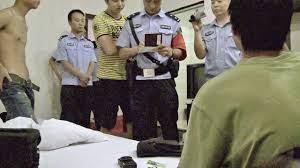
When the city police come to Rikun Zhu's door he sets the camera running before opening it. It's hard to say anything else because this is almost as much documentation as documentary. There's context given later - Zhu and his companions have travelled within China to visit human rights activists and campaigners - but it's almost unnecessary. This is the state of the State.
The camera is static, un-noticed. Action begins when the door opens, ends when it closes. There is a constructedness here, but it's not filmic. There are implications societal, legal, moral, political, psychological, but once the camera is pointed and 'record' pressed then it's Arrival Of A Train At La Ciotat - it's less about technique than personal reaction.
Reviewed on: 16 Feb 2014

If you like this, try:
Review preview for Ai Weiwei: Never Sorry
Weiwei is such a fascinating subject that even a documentary that never seems to stray into the experimental is compelling, but white text on a black screen does not a revolution make.